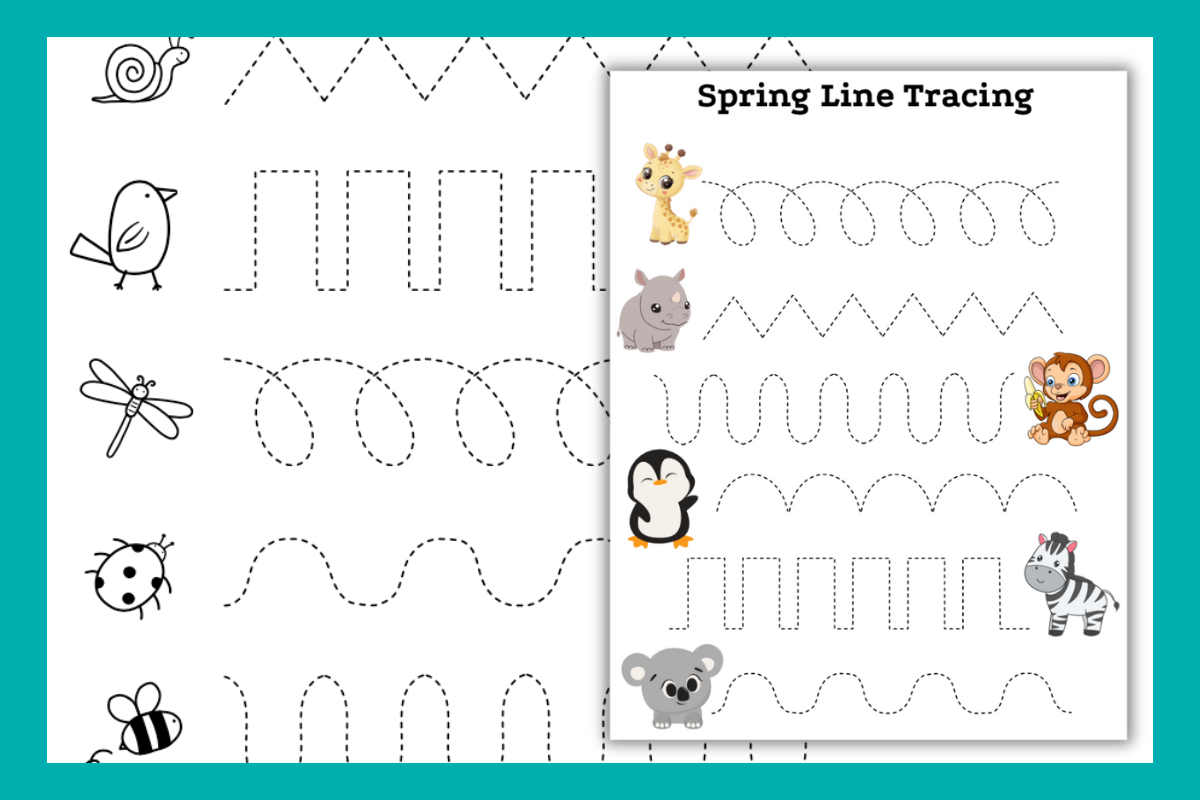
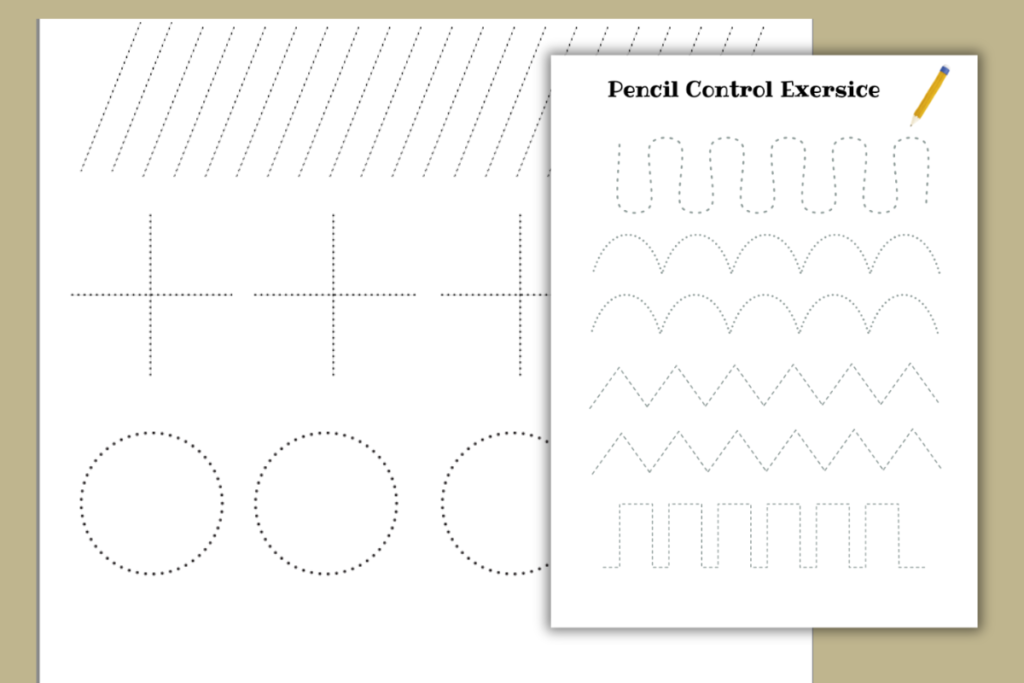
If you have a little one who is just starting to show interest in drawing or “writing” their own stories, you are in the right place. These Pencil Control Activities for EYFS are simple, printable sheets designed to help children get used to holding and moving a pencil.
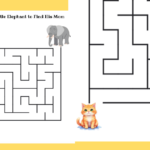
The sheets feature all sorts of fun paths for children to follow. They might help a busy bee find a flower or guide a little car along a bumpy road. Each page uses dotted lines that act as a guide. This makes it much less scary for a child who is just learning how to make their hand go where they want it to.
This resource is perfect for children aged 3 to 5. This includes children in Nursery and those starting their first year of school in Reception. It is a great way to bridge the gap between messy scribbles and starting to form real letters.
Why focus on Pencil Control for EYFS?
Holding a pencil might seem easy to us, but for a small child, it is actually quite a workout! It requires a lot of strength in the tiny muscles of the hand and wrist. It also takes a good amount of coordination to keep a pencil on a specific path.
By using these sheets, children can practice their “fine motor skills.” This is just a fancy way of saying they are learning to use the small muscles in their hands. The more they practice, the more control they will have. This makes it much easier when they eventually move on to our Handwriting Practice Sheets.
Focusing on Pencil Control for EYFS now helps children feel more confident later on. When they don’t have to struggle just to hold the pencil, they can put all their energy into learning their phonics and spelling.
What will children learn?
When children use these activities, they aren’t just drawing lines. They are learning the basic movements needed for almost every letter in the alphabet.
On these sheets, they will practice:
- Moving their hand from left to right (which is how we read and write in English).
- Keeping a steady hand to follow a straight line.
- Navigating curvy “mountain” peaks and loopy “ocean” waves.
- Stopping and starting their pencil in the right place.
These skills match up perfectly with the Physical Development goals in the UK National Curriculum for the Early Years. It’s all about helping them become physically ready to write. You can find more helpful tools like this in our Early Years Resources section.

How to use this resource at home or in class
You don’t need any special equipment to get started. Just print the sheets off and grab some crayons or pencils. Here are two simple tips to make the most of them:
1. Make it reusable Children love to do things over and over again. If you have a plastic polypocket or a laminator, put the sheet inside and let your child use a dry-wipe marker. They can trace the lines, wipe them away, and start all over again. This is great for building “muscle memory.”
2. Start big and bold If your child is finding a standard pencil a bit tricky, try using thick wax crayons or chalks first. These are often easier for little hands to grip. As they get more confident and their grip improves, you can move on to thinner pencils or felt-tip pens.
We hope you and your little ones enjoy working through these activities together.
You are doing a brilliant job helping your child get ready for their school adventure!