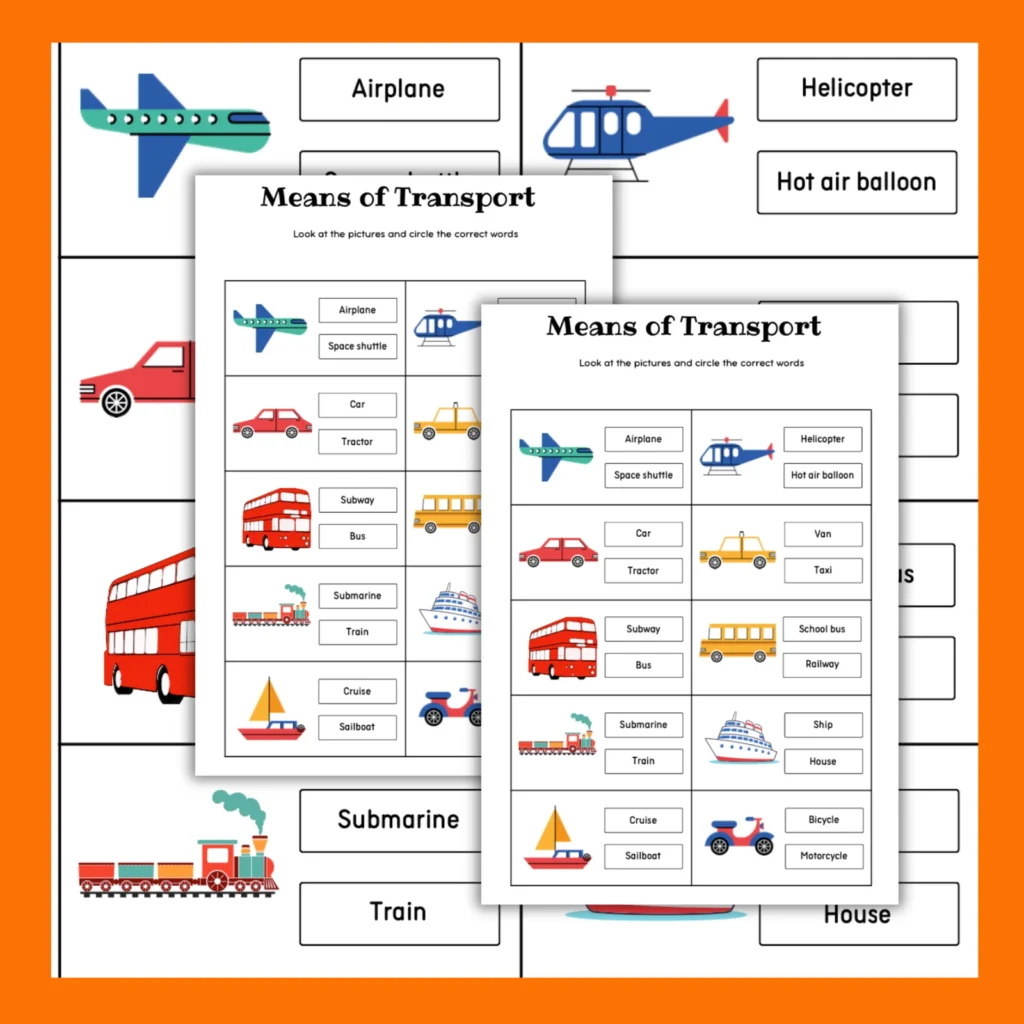
We know that many children are absolutely fascinated by things that move. Whether it is a giant aeroplane in the sky, a train clicking along the tracks, or a bright red bus on the high street, vehicles are a huge part of a child’s world.
Our Means of Transport matching activity is designed to take that natural curiosity and turn it into a great learning moment. It is a simple, no-fuss worksheet that helps children connect the objects they see in real life with the words we use to describe them. It is perfect for children in Key Stage 1 (KS1) who are just starting to grow their reading confidence.
What is the Means of Transport matching activity?
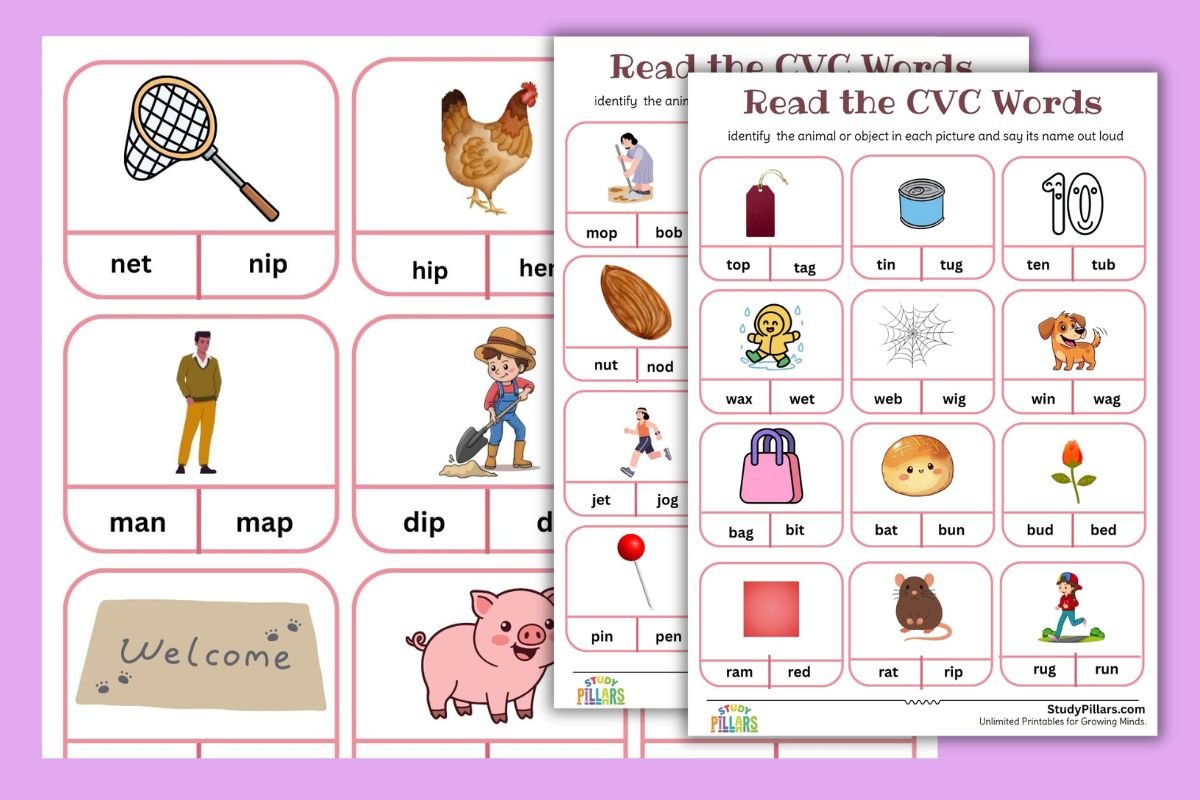
This resource is a straightforward “picture to word” matching task. On the page, your child will find clear, colourful illustrations of various vehicles. Next to these pictures is two words. The goal is for the child to look at the picture, recognise what it is, find the correct word, and highlight it.
It is a wonderful addition to your KS1 English Resources because it combines visual recognition with reading practice. Because the topic is so familiar, children usually feel quite confident giving it a go on their own, which is always a lovely boost for their self-esteem.
Why is this activity great for KS1 children?
Between the ages of 5 and 7, children are moving from basic phonics to reading whole words more fluently. This worksheet helps with that transition in a few ways:
- Building Vocabulary: It introduces and reinforces the names of different ways to travel. It helps children learn that “car,” “boat,” and “aeroplane” are all types of transport.
- Reading Practice: Children have to look closely at the letters in each word to make sure they are picking the right one. This is great for spotting the difference between similar-looking words.
- Fine Motor Skills: Drawing a steady line from a picture to a word might seem simple to us, but for a 5-year-old, it is excellent practice for pen control and hand-eye coordination.
- Cognitive Association: It encourages children to link an image in their head with a written label, which is a vital step in learning to read and write independently.
How to use this worksheet at home or in the classroom
You can use this worksheet in lots of different ways. If you are a teacher, it makes a brilliant “settling in” task for the start of the day or a quick filler activity if a lesson finishes a few minutes early.
For parents at home, here are a couple of ideas to get the most out of it:
- Talk about the pictures first: Before reaching for a pencil, look at the worksheet together. Ask your child, “Have you ever been on a boat?” or “What colour is the bus we see on the way to the shops?” This gets them thinking about the topic before they even start reading.
- Make it reusable: If you want to use the sheet more than once, you can pop it inside a plastic polypocket and use a whiteboard marker. This way, your child can rub out the lines and try again, or a sibling can have a go later on.
- Go on a “Transport Hunt”: After completing the worksheet, why not look out the window or go for a short walk? See how many different Means of Transport from the page you can spot in your local area.

More ways to support your child’s learning
Learning doesn’t have to be all about sitting at a desk. Once your child has finished this matching task, you might want to explore other Activity Sheets for Kids that focus on different topics like animals, healthy eating, or the seasons.
Using simple, visual worksheets like this one is a fantastic way to keep children engaged without making them feel overwhelmed. It keeps learning light, fun, and relevant to the world around them.
We hope you and your little ones enjoy using this resource as much as we enjoyed putting it together!