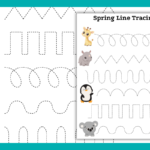
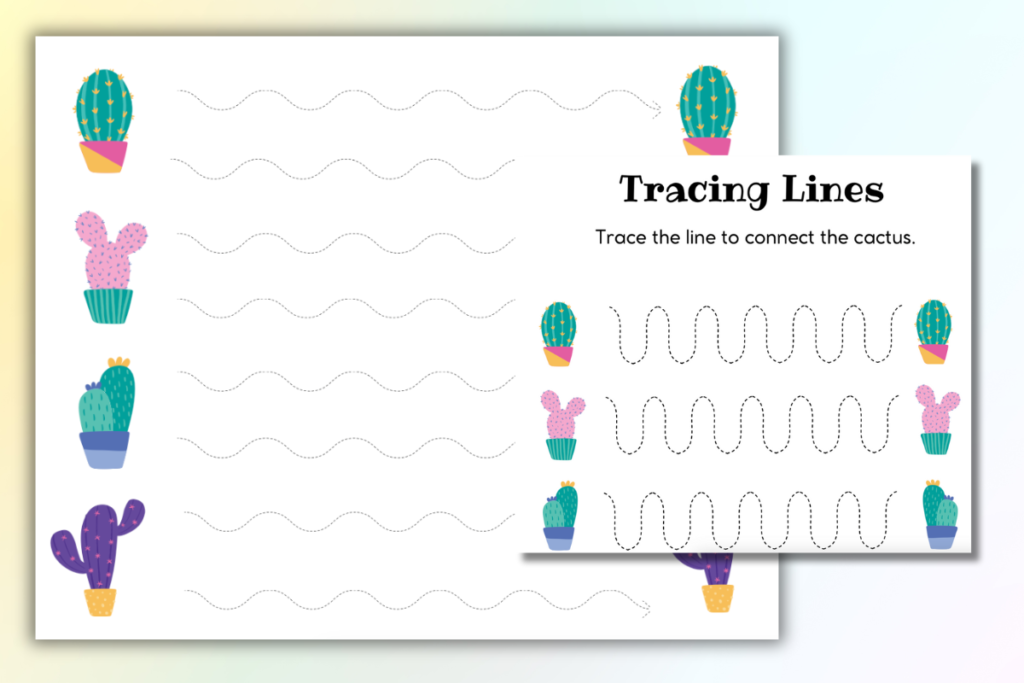
If you have a little one who is just starting to pick up a pencil, you are in the right place. Our Curved Line Tracing Worksheets are designed to make those first steps into writing feel like a fun game rather than a chore.
What are these worksheets?
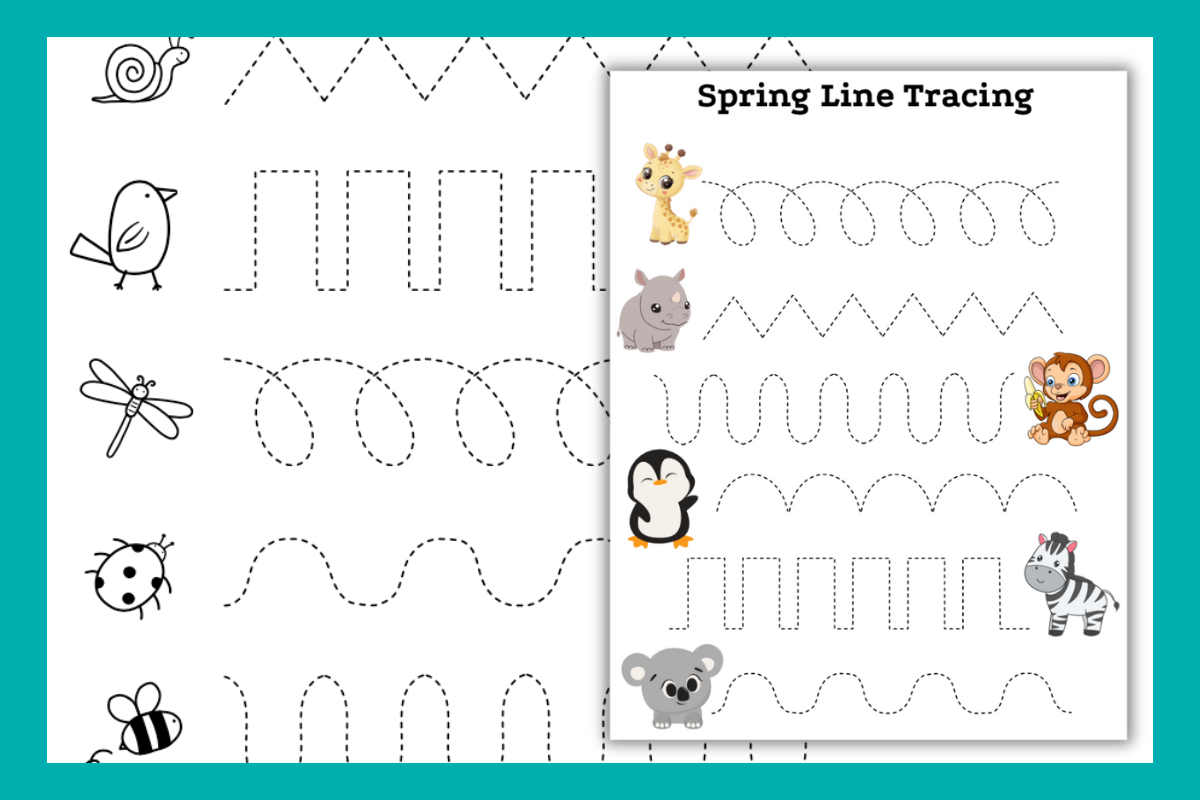
These worksheets are a collection of simple, clear pages filled with different types of wavy and loopy lines. They are made specifically for children aged between 3 and 7. At this age, children are often very good at drawing big scribbles or straight lines, but curvy lines can be a bit more tricky.
Our Line Tracing Worksheets give children a clear path to follow. They can trace over the dots to create waves, hills, and circles. It is a great way for them to see how a pencil can move in different directions.
We have kept the designs clean and easy to look at. This helps children focus on the task without getting distracted by too many pictures on the page. You can find more helpful tools like this in our EYFS Activities section.
What will your child learn?
Using these worksheets helps with several important skills. The main one is fine motor control. This is just a fancy way of saying “using the small muscles in the hands and fingers.”
When a child follows a curved line, they have to move their wrist and fingers more than they do for a straight line. This builds up the strength they need for later on.
These worksheets also help with:
- Pencil Grip: It gives them a reason to hold their pencil properly and keep it steady.
- Hand-eye Coordination: They learn to make their hand follow what their eyes see on the paper.
- Letter Preparation: Many letters, like ‘c’, ‘o’, ‘a’, and ‘s’, are full of curves. Practising these shapes now makes learning to write the alphabet much easier later.
If you are looking for more ways to help with these skills, take a look at our Handwriting Resources.
How to use them at home or in class
You can simply print these off and let your child go for it with a lead pencil or a crayon. But if you want to mix things up, here are two simple tips:
- Make them reusable: If you have a laminator, you can laminate these pages. Then, your child can use a dry-wipe marker to trace the lines. They can wipe it off and try again as many times as they like! This is great for building confidence because they can just rub out any wobbles.
- Use different “tools”: Before moving to a pencil, let them trace the lines with their finger. You could even put the worksheet under a shallow tray of sand or salt. They can look at the curved lines and try to copy the shapes in the sand.

Fitting into the UK National Curriculum
While these are great for any child, they fit perfectly with the Early Years Foundation Stage (EYFS) in the UK. One of the main goals for children this age is Physical Development.
Using Line Tracing Worksheets helps them meet the goal of “using a range of small tools, including scissors, paintbrushes and spoons.” Learning to control a pencil on a curved path is a big part of that. It sets the foundation for “Early Learning Goal: Writing,” where they start to form recognisable letters.
We hope you and your little ones enjoy using these worksheets together!
You are doing a brilliant job helping your child learn.