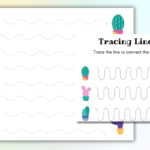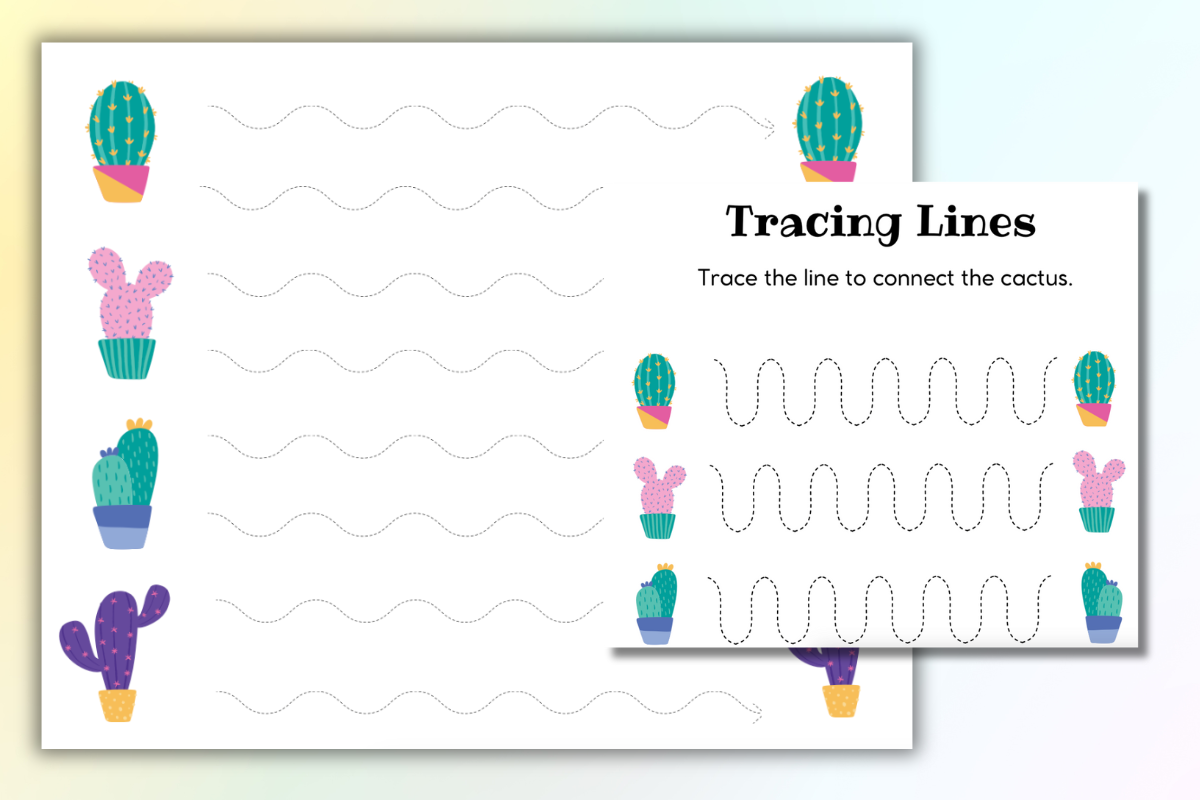
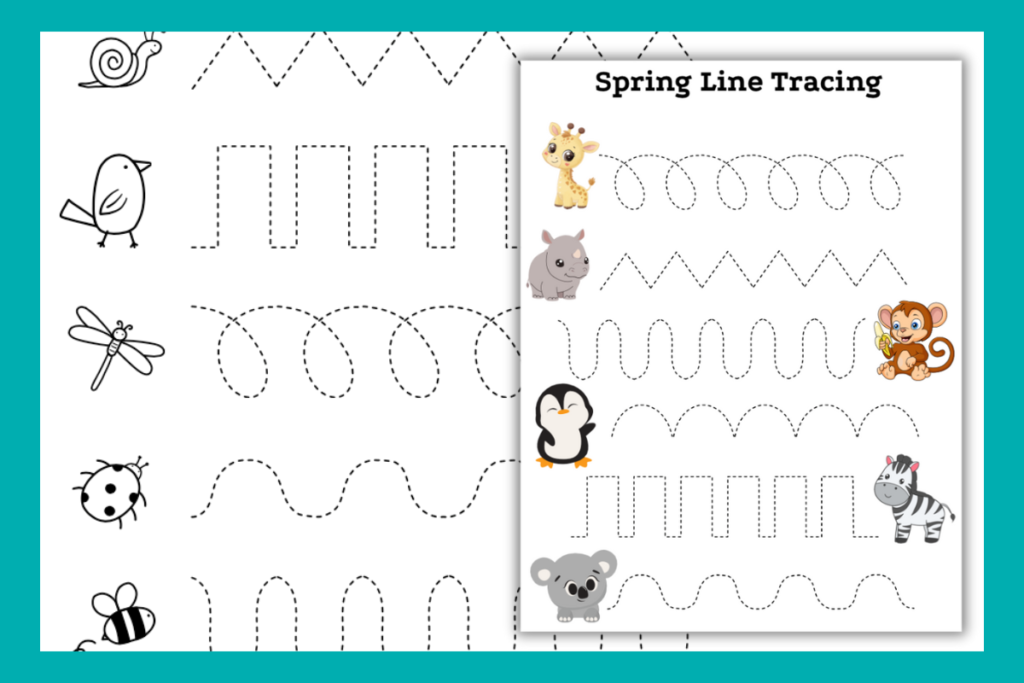
We are so glad you are here. If you are looking for a simple and fun way to help your child start their writing journey, you have come to the right place. Our Spring Line Tracing Activity is a bright, cheerful resource designed specifically for children aged 3 to 5.
As the weather gets warmer and flowers start to bloom, it is the perfect time to bring some spring themes into your learning at home or in the classroom. This activity features various lines that mimic the movements of things we see in the garden. Your child might follow the bouncy path of a grasshopper or the wavy flight of a butterfly.
Who is this for?
This resource is tailor-made for children in the Early Years Foundation Stage (EYFS). Whether your child is just starting nursery or is getting ready to move up to primary school, this activity is a great fit. It is designed to be easy to understand and not at all overwhelming.
Teachers can use this as a quick morning task or a quiet afternoon activity. Parents will find it just as useful for a bit of educational fun at the kitchen table. It is all about making those first steps toward writing feel like play rather than work. If you are looking for more ideas for this age group, feel free to browse our other EYFS Activities.
What will children learn?
While it looks like just a bit of doodling, this Line Tracing Activity is actually helping your child build some very important skills.
Firstly, it focuses on fine motor skills. This is just a fancy way of saying it helps the small muscles in the hands and fingers get stronger. These muscles need to be strong so that children can hold a pencil properly later on.
Secondly, it helps with hand-eye coordination. Following a line from left to right teaches the brain and the hand to work together. This is a vital step before they start learning to form actual letters and numbers.
Finally, it helps with focus and patience. Staying on the line takes a bit of concentration, and finishing a page gives children a lovely sense of achievement. For more ways to help with these early skills, you can check out our full range of Line Tracing resources.
How to use this resource at home or in class
Using this sheet is very straightforward, but here are a couple of tips to make the most of it:
- Make it reusable: If you want to use the sheet more than once, you can pop it into a plastic folder or laminate it. Then, your child can use a dry-wipe marker to trace the lines. They can wipe it clean and try again as many times as they like!
- Try different tools: You don’t just have to use a lead pencil. Let your child try using different colours, thick crayons, or even felt-tip pens. This keeps things interesting and helps them get used to the feel of different drawing tools.
- Go sensory: Before using a pen, ask your child to trace the lines using their index finger. You could even put a tray of sand or salt next to the paper and ask them to copy the shapes they see into the sand.

Helping your child grow
In the UK, the EYFS framework encourages children to develop their physical skills and start exploring marks and patterns. This Line Tracing Activity fits perfectly into that goal. It gives children the confidence to “have a go” without the pressure of getting a letter exactly right.
By starting with these fun, spring-themed shapes, you are helping them get ready for the more formal writing they will do in Key Stage 1. It is all about building a solid foundation while having a bit of fun with some garden friends.
We hope you and your little ones enjoy using this activity together!